Auto Care Tips & Guides
Practical advice from our certified technicians to help you maintain your vehicle, save money, and stay safe on Ontario roads.
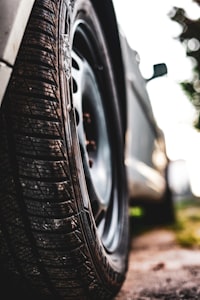
When to Switch to Winter Tires in Ontario — The Complete Guide
Every year, Ontario drivers ask the same question: when should I put on my winter tires? The answer is simple — when temperatures consistently drop below 7°C. Winter tires are made from a special rubber compound that stays soft and grippy in cold temperatures, while all-season tires harden and lose effectiveness.
Why 7°C is the Magic Number
All-season tires are designed to perform in temperatures above 7°C. Below that threshold, the rubber compound begins to harden, reducing grip on dry, wet, and icy roads alike. Winter tires, by contrast, remain pliable and maintain traction — a critical difference when you're braking on a cold Markham morning.
When to Install — Ontario Timing Guide
- ›Install winter tires in October — before the first freeze
- ›Remove winter tires in April — when consistent warm weather returns
- ›Don't wait for snow — cold temperature alone requires winter tires
- ›Insurance companies may reduce premiums for winter tire use
Winter Tire Myths Debunked
Myth: All-weather tires are just as good. All-weather tires are a good compromise, but dedicated winter tires still outperform them in severe conditions. If you drive frequently in heavy snow or on highways, dedicated winter tires are worth the investment.
Myth: AWD means I don't need winter tires. AWD helps you accelerate, but it does nothing for steering or braking. Winter tires improve all three — stopping distance can be reduced by up to 25% on icy roads with proper winter tires.

How Often Should You Really Change Your Oil? (The Truth in 2026)
The old "every 3,000 miles" rule is outdated. Modern vehicles with synthetic oil can go much longer between changes — but that doesn't mean you should wait too long. Here's what you actually need to know.
Oil Change Intervals by Vehicle Type
- ›Conventional oil: Every 5,000–8,000 km
- ›Synthetic blend: Every 8,000–12,000 km
- ›Full synthetic: Every 12,000–16,000 km
- ›Diesel engines: Varies — consult your manual
- ›EVs/Hybrids: Less frequent — check manufacturer specs
Signs You Need an Oil Change Now
Don't rely solely on mileage. Look for these warning signs: dark or dirty oil on the dipstick, a burning oil smell inside the cabin, the oil pressure warning light, increased engine noise or ticking, and decreased fuel economy.
The Cost of Skipping Oil Changes
Neglecting oil changes is one of the most expensive mistakes a driver can make. Dirty, degraded oil increases friction, accelerates engine wear, and can lead to premature engine failure — a $5,000+ repair that a regular $60 oil change would have prevented.
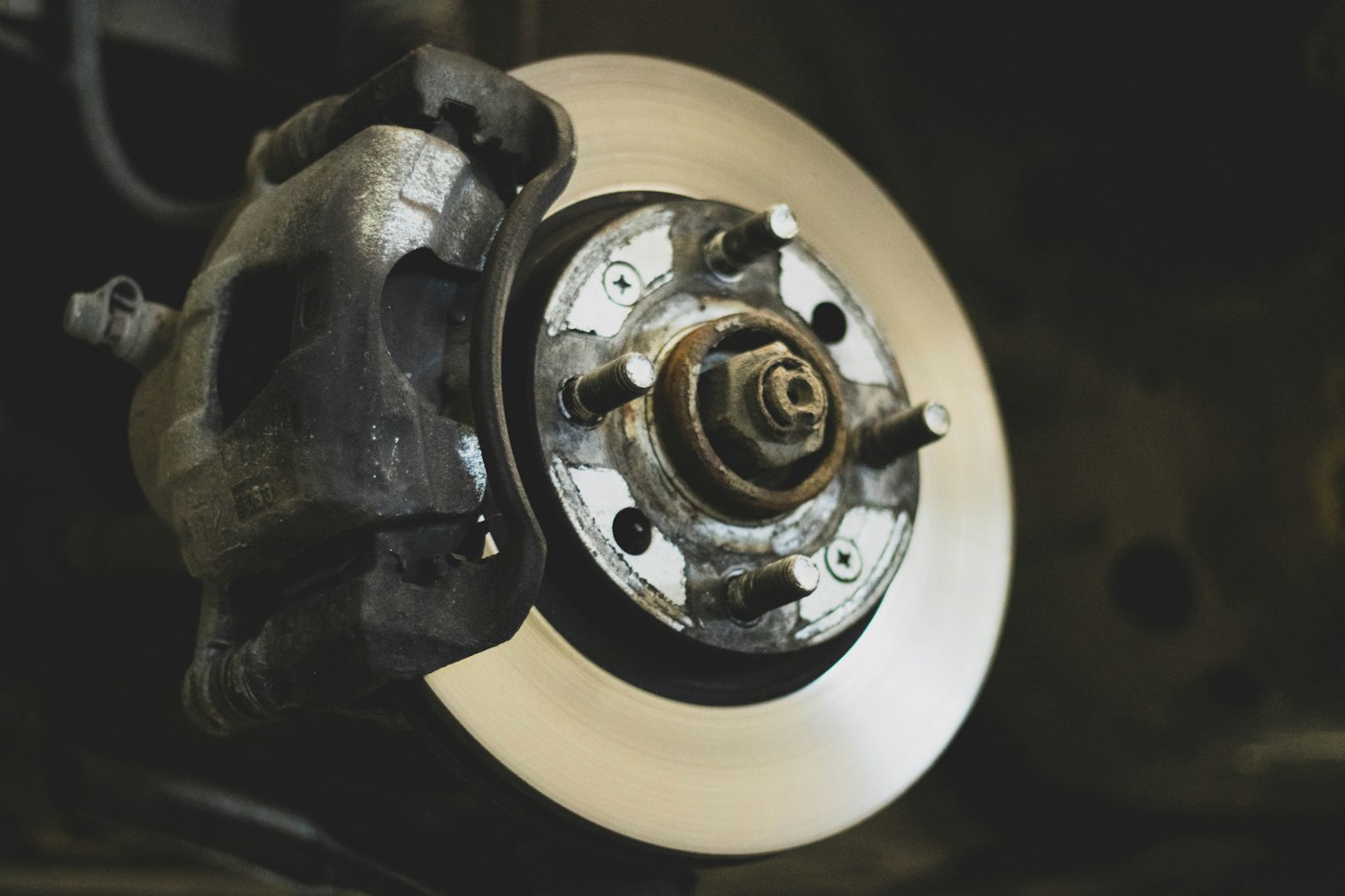
5 Warning Signs Your Brakes Need Immediate Attention
Your brakes are the single most critical safety system in your vehicle. Ignoring brake problems puts you, your passengers, and everyone on the road at risk. Here are five signs that mean you need to book a brake inspection immediately.
1. Squealing or Screeching Sounds
That high-pitched squeal is actually a built-in warning system — small metal wear indicators on your brake pads that contact the rotor when pads get thin. Don't ignore this sound. You likely have weeks, not months, before the pads wear completely through.
2. Grinding Noise When Braking
Grinding is more serious than squealing. It means your brake pads have worn through completely and metal is contacting metal. Your rotors are being damaged with every stop. Get to a shop immediately.
3. Vehicle Pulls to One Side When Braking
If your car veers left or right during braking, one brake caliper may be sticking. This causes uneven braking force — dangerous, especially at highway speeds.
4. Soft or Spongy Brake Pedal
A pedal that sinks further than normal or feels soft could indicate air in the brake lines or a brake fluid leak. This is a serious issue that can result in complete brake failure.
5. Vibration or Pulsing When Braking
Pulsing or vibrating through the brake pedal typically indicates warped rotors — usually caused by overheating from heavy braking or driving with worn pads for too long.
Same-day appointments available. Our team is ready to help.
Book Online